
What You Can Expect
Discover innovative strategies to address housing, education, health, and economic vitality challenges.
Learn from neighborhoods that are amplifying voices, building trust, and achieving transformative impact.
Gain practical tools to strengthen cross-sector partnerships and foster collaboration.
Connect with peers to renew your passion, optimism, and resilience. As a network grounded in resident-centered work, we value and welcome resident participation throughout the conference.
Conference Registration & Badge Pick-Up @ Pre-Function Lounge
Welcome to Day 1 of the Prosperity Starts With Place™ National Conference
Please bring a valid ID to pick up your name badge. Your badge is required for entry into all conference sessions and events. We’re excited to have you with us—see you soon!
Lunch Buffet Opens
Conference Opening & Welcome Keynote
Network Member Roll Call
New Network Member Welcome
Break
Model Overview Video + Purpose Built Talks
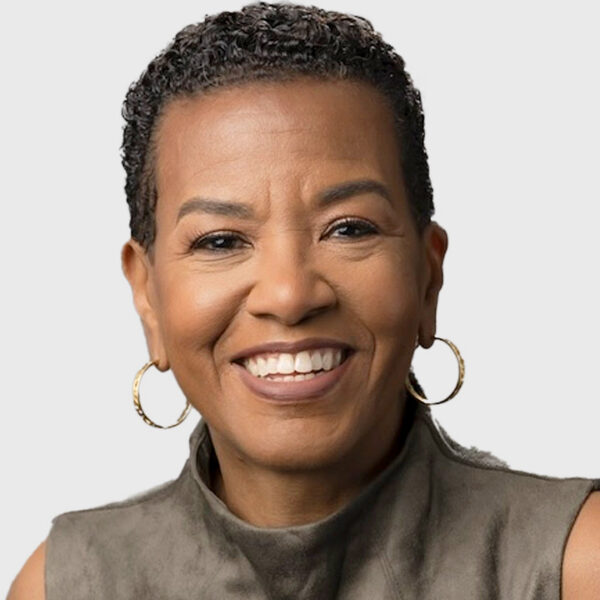
Stronger Together: The Purpose Built Model at Work
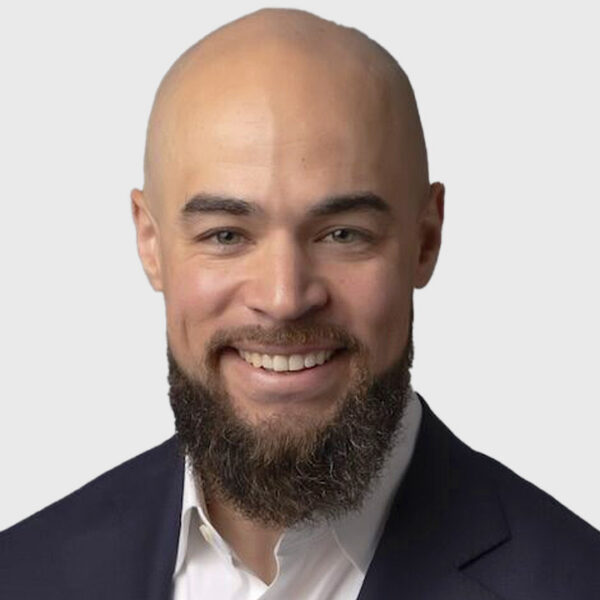
Michelle L. Matthews
Chief Strategy and Operations Officer
Opening Welcome Reception: Jacksonville Renaissance
Conference Registration & Badge Pick-Up @ Pre-Function Lounge
Breakfast
Morning Plenary
Break and Transition
Workshops I-VI: Block I
Building Economic Mobility in Place
Room: Grand 2
Discover how Build from Within Alliance is transforming economic opportunity from the inside out. This national network of community development organizations implements a tailor-made place-based economic vitality model that grows local entrepreneurship in historically disinvested communities. Hear directly from a BfWA member and a local entrepreneur whose journey illustrates how this model reshapes what’s possible for residents. Purpose Built Network Members will also share how they plan to partner with BfWA to adapt this approach within their own neighborhoods. The session is designed for any neighborhood seeking to strengthen resident economic mobility. Attendees will hear practical examples, clear roles, and right‑sized next steps for building vibrant, resilient local economic ecosystems—starting exactly where you are.
Workforce Development as a Neighborhood Asset: Building Workforce Pipelines that Match Real Demand
Deborah Fontaine
Vice President, Strategic and Institutional Effectiveness
Florida State College at Jacksonville
Emily Price
Senior Vice President Development and Partnership Engagement
Home Builders Institute (HBI)
Room: Grand 8
Workforce systems are most effective when they respond directly to employer demand while remaining accessible to neighborhood residents. This session explores how Goodwill Industries collaborates with employers, education partners, and LIFT JAX, a Purpose Built Communities Network Member, to align training with real job opportunities.
Panelists will discuss how employer input shapes program design, how education partners deliver relevant credentials, and how Community Quarterback Organizations help ensure residents can access and succeed in these pathways.
Participants will:
- Understand how employer demand informs workforce program design
- Learn how workforce experts translate labor needs into training pathways
- Explore how Community Quarterback Organizations strengthen access and completion
- Gain insights into building workforce initiatives that lead to sustainable employment
Activating Public Space to Support Belonging
Nicole Tuttle
Director of Cox Pre-K/Education Consultant
Drew Charter School/Purpose Built Communities
Room: Grand 1
What is the role of public space and public life in amplifying the Purpose Built Communities model? In this session, network leaders from East Savannah United and South City Foundation will join designers from Gehl, an urban strategy and design consultancy, in answering this question. Attendees will leave with a clear understanding of how to pilot light-touch projects in public spaces to activate street life, enhance feelings of belonging and social connection, and inform long-term neighborhood transformation goals.
Co-Locating Early Learning and Affordable Housing While Strengthening the Early Learning Workforce
Kim DiGiacomo
Vice President, Capacity Building, Earley Care and Education Programs
Low Income Investment Fund
Dr. Yohana I. Quiróz, Ed.D.
Chief Operations Officer and Capital Development Director
Felton Institute
Room: Grand 3
This session, facilitated by the Mission Economic Development Agency (MEDA), alongside participants from Felton and LIIF, will explore how integrating early learning programs within affordable housing developments can create stronger outcomes for children, families, and communities—while also addressing the urgent need to stabilize and grow the early learning workforce.
Honoring History and Uplifting Legacies Through Neighborhood Preservation Projects
Room: Grand 7
Neighborhood transformation often starts with the built environment—but real impact requires understanding the culture, history, and lived experiences that shaped a community. Grounding revitalization efforts in that history builds trust and strengthens relationships with residents.
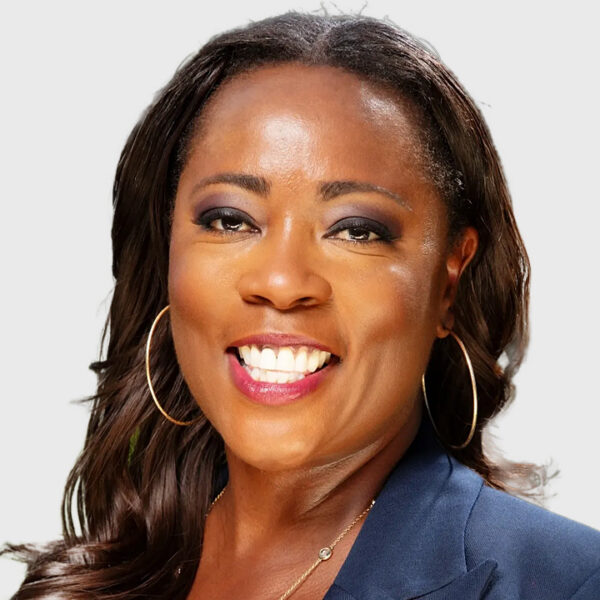
In this interactive workshop, La’Neice Littleton, Ph.D., will share practical approaches to oral history and neighborhood preservation. She’ll be joined by Camden Baggs of the Quantum Foundation to discuss how philanthropy can partner with communities to elevate local history, and by Suzanne Pickett, CEO of Historic Eastside Community Development, who is leading a heritage trail initiative in Jacksonville’s OutEast neighborhood.
Harnessing AI to Build Pathways to Opportunity
Room: Grand 6
The rise of generative AI promises to disrupt industries and create new pathways to opportunity. But how do we make sure those opportunities are distributed equitably? And how can we harness the power of generative AI strategically and responsibly to advance our mission? In this interactive workshop, you’ll explore the promise and peril of AI for social impact through hands-on exercises and use cases tailored to your mission. Choose between intro-level or more advanced exercises depending on your prior experience and confidence with generative AI tools. Complete a self-assessment to receive tailored feedback on potential next-best actions to level up your AI fluency. Leave inspired to harness the power of AI for your mission and explore how you might help neighborhood residents navigate new pathways to opportunity in the era of AI.
Break and Transition
Lunch
Introduction to LIFT JAX
Travel to LIFT JAX / OutEast Neighborhood
OutEast Neighborhood Tour and Block Party
Explore Jacksonville’s Culinary Scene with Small Group Dinners
Karaoke
Conference Registration & Badge Pick-Up @ Pre-Function Lounge
Networking Breakfast: Partnering to Strengthen Early Education & Care
Grab your breakfast to network with others working on early education and child care strategies. The Primrose Schools Partnership for Children℠ will also share more information about a current funding opportunity for organizations working at the intersection of early education, health, and family well-being. Sponsored by: Primrose® Schools
Closing Keynote Speaker: Dr. Jelani Cobb
Break and Transition
Workshops I-VI: Block II
Catalyzing Impact: The Board’s Role in Building a Culture of Continuous Improvement
Room: Grand 1
This session is designed for current board members of Community Quarterback Organizations. Participants will explore how governance boards can actively champion a culture of continuous improvement to drive measurable community impact. Drawing on real-world implementation experience, presenters will share a practical framework and key lessons learned. Attendees will leave with concrete strategies they can apply in their individual and collective board roles to better support their Community Quarterback Organizations.
Neighborhood-Based Investments from Healthcare Anchor Institutions
Room: Grand 3
This session will focus on the role healthcare anchor institutions can play in neighborhood transformation efforts. It will feature leadership from the Healthcare Anchor Network and innovative examples of investments hospitals and healthcare systems have made in community development work. Participants can expect to walk away with ideas on how to engage local systems, hallmarks of developing and strengthening partnerships between Community Quarterback Organizations and types of investments hospitals can make in neighborhood transformation work.
Shifting and Sharing Power: Co-Governance Strategies for Centering Residents
Room: Grand 7
Race Forward defines co-governance as: a collection of participatory models and practices in which government and communities intentionally aim to share power to drive fair and just outcomes. A crucial component of the Purpose Built model is that residents must be central to neighborhood transformation efforts – as visionaries, co-designers, and decision-makers. But how do you bring together a diverse set of collaborators across sectors, experiences, and institutional power while remaining focused on what benefits neighbors the most? Highlighting the amazing work happening in Atlanta’s Thomasville Heights neighborhood (one of seven communities part of the new Atlanta Neighborhood Reinvestment Initiative), three practitioners will share what it takes to move co-governance from theory to action and impact.
Reimagining the Community Quarterback Organization in Education: A Partnership Model for School Redesign
Room: Grand 6
This session will showcase Lift Orlando’s journey into school governance and its partnership with Transcend Education to develop a community-driven school redesign at Orange Center Elementary School. As part of the session, we will share the value of a school redesign project, the Community Quarterback Organization’s role in launching it, and evidence of the early planning stages of this specific project. We hope that participants leave this session asking, “What steps should we take to partner with our local schools at this level?”
Inclusive Neighborhood Revitalization: Research Insights for Building Mixed-Income Communities
Room: Grand 2
This session will highlight new research from Common Good Labs and the Brookings Institution on the drivers of inclusive neighborhood change. The study analyzed thousands of neighborhood-level characteristics to identify what leads to revitalization without displacement. We’ll discuss how this builds on findings about the impact of growing up in mixed-income neighborhoods from Opportunity Insights, what neighborhood leaders can influence, and how the data can inform practical decision-making.
Turning Relationships into Results: Collaborating with Local Government
Room: Grand 8
Unlock the power of collaboration in our session. Discover how Community Quarterback Organizations can forge strong, productive partnerships with local government officials. Learn to navigate the political landscape, craft compelling advocacy messages, and build lasting alliances that drive meaningful change. This session provides practical strategies to move beyond transactional interactions and create a unified front for neighborhood revitalization. Join us to transform your relationships into tangible outcomes for your community.